
Supporting US

Support our mission to sustain and renew Vancouver's cherry tree heritage while educating and engaging community in celebration of the Cherry Blossom.


Mail List

Receive HTML?

Official Sponsors

  • Official Sponsors
  • Official Sponsors
  • Official Sponsors
  • Official Sponsors
  • Official Sponsors
  • Official Sponsors
  • Official Sponsors
  • Official Sponsors
  • Official Sponsors
  • Official Sponsors
  • Official Sponsors
  • Official Sponsors
  • Official Sponsors
  • Official Sponsors
  • Official Sponsors
  • Official Sponsors
  • Official Sponsors
  • Official Sponsors
  • Official Sponsors
  • Official Sponsors
  • Official Sponsors

News

100 Akebono cherry trees in David Lam Park
VCBF directors celebrate Park Board Cherry Tree Planting of 100 Akebono cherry trees in David Lam Park gifted by the David and Dorothy Lam Foundation.


Latest Events

No events

Events Calendar

September 2010
S M T W T F S
29 30 31 1 2 3 4
5 6 7 8 9 10 11
12 13 14 15 16 17 18
19 20 21 22 23 24 25
26 27 28 29 30 1 2

Cherry Cultivars
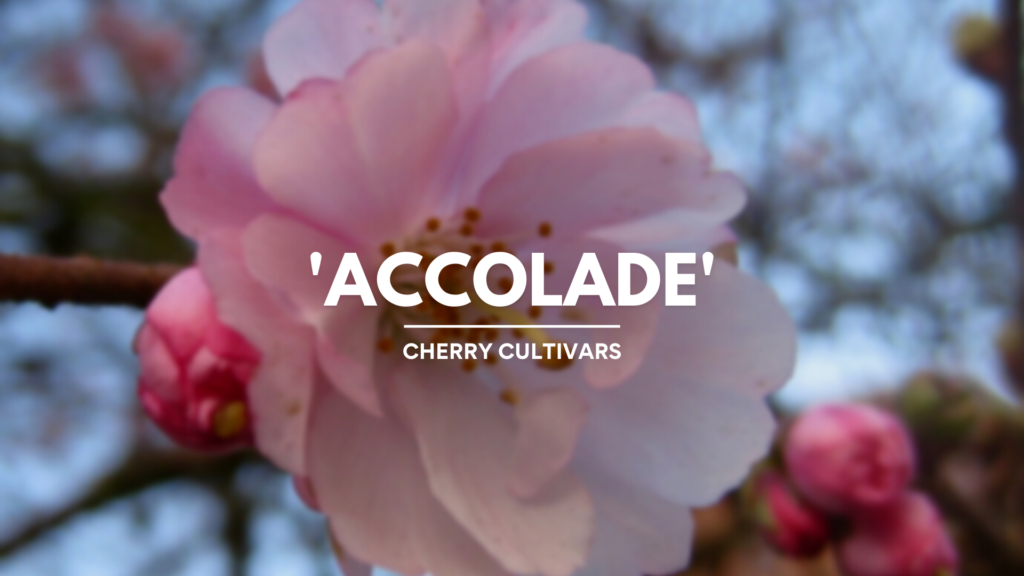
  Accolade Accolade  
Accolade’: A small growing, umbrella shaped tree with fine branching, usually flowering in February or March. The small flowers are semi-double and coloured an intense light pink. A hybrid cherry (Prunus sargentii x P. x subhirtella) prone to disease especially in crowded situations.
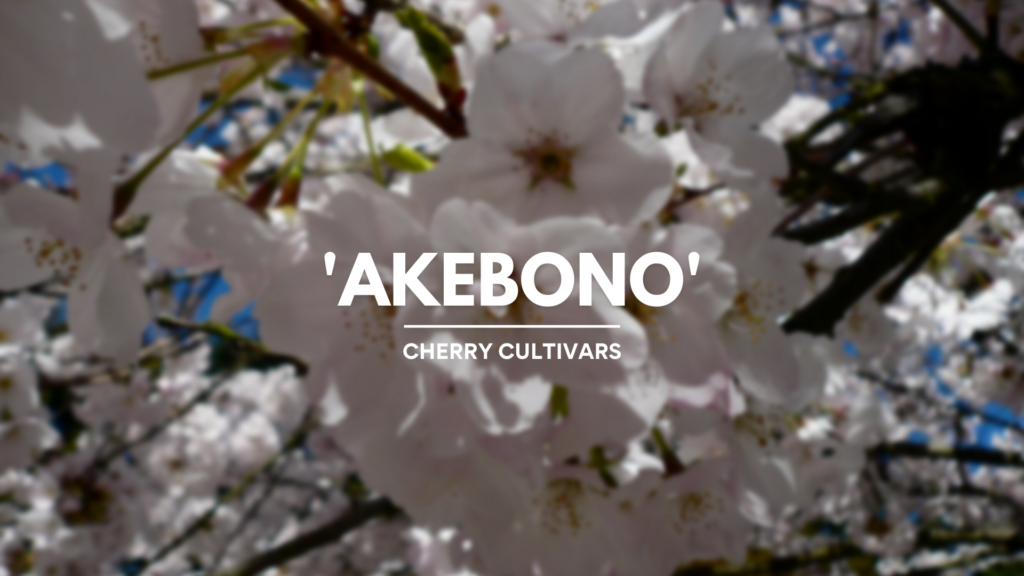
  Akebono Akebono

 ‘Akebono’ (daybreak cherry): A medium sized tree (8m x 8m - 25 ft) with a stiff, upright-spreading crown, eventually becoming umbrella shaped. It flowers in March or April, usually following the purple-leaf plums by about a week. Flowers are produced abundantly, shell pink fading to nearly white. A seedling of Prunus x yedoensis (Yoshino cherry) noted for its essentially rainproof flowers and freedom from disease. Autumn colour is yellow to pumpkin orange.

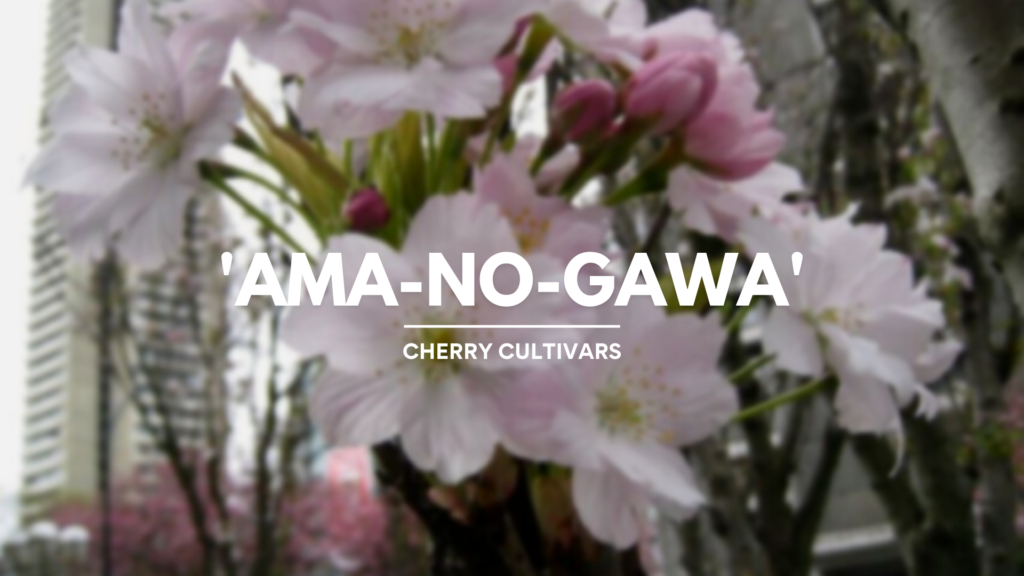
  Amanogawa Amanogawa

 ‘Amanogawa’ (“heaven’s river,” pillar cherry): The narrowest of the large-double-flowered Sato Zakura (Japanese village cherries), eventually becoming top-shaped with age. The abundant apple-blossom flowers are held tightly to the sinuously upright stems in late April. The best specimens are in open situations with good air circulation.

  Autumnalis Rosea Autumnalis Rosea

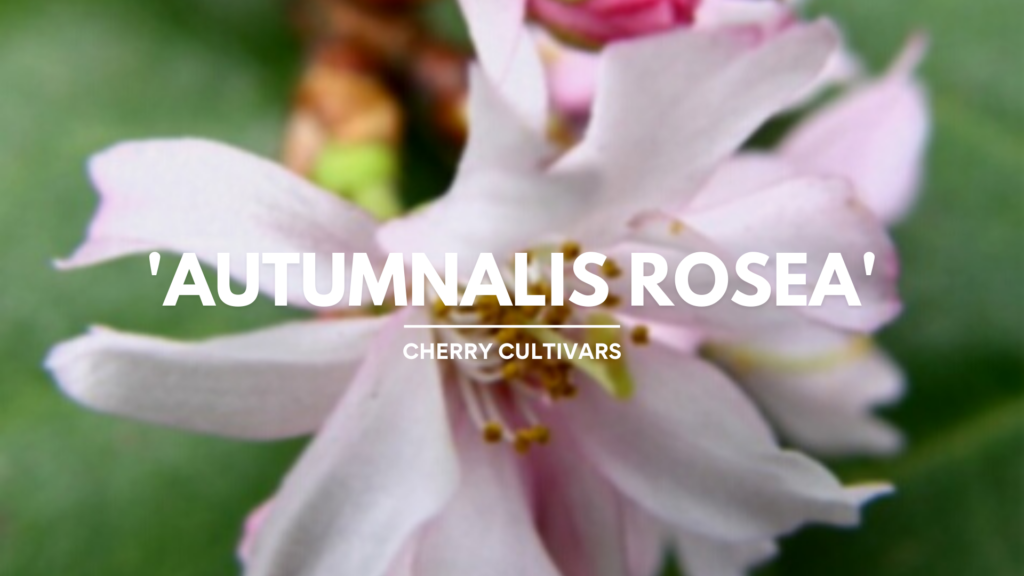
 ‘Autumnalis’: (white winter cherry): This is a selection of Prunus x subhirtella, known in Japan as ‘Jugatsu-zakura’, or the “10th month cherry.” ‘Autumnalis’ is a small, open tree with twiggy branches, in Vancouver primarily flowering, despite its name, in January and February. The tiny, semi-double flowers are white, blushed pink, and held tightly to the outer twigs (but the stalks longer when produced later in early spring). This cultivar is less common than ‘Autumnalis Rosea’ (pink winter cherry), which is much like like ‘Autumnalis’, but with clear pink flowers. The early flowers of ‘Autumnalis Rosea’ are significantly lighter in colour than those produced after midwinter. Both cultivars are unfortunately disease prone.

  Avium 'plena' Avium 'plena'

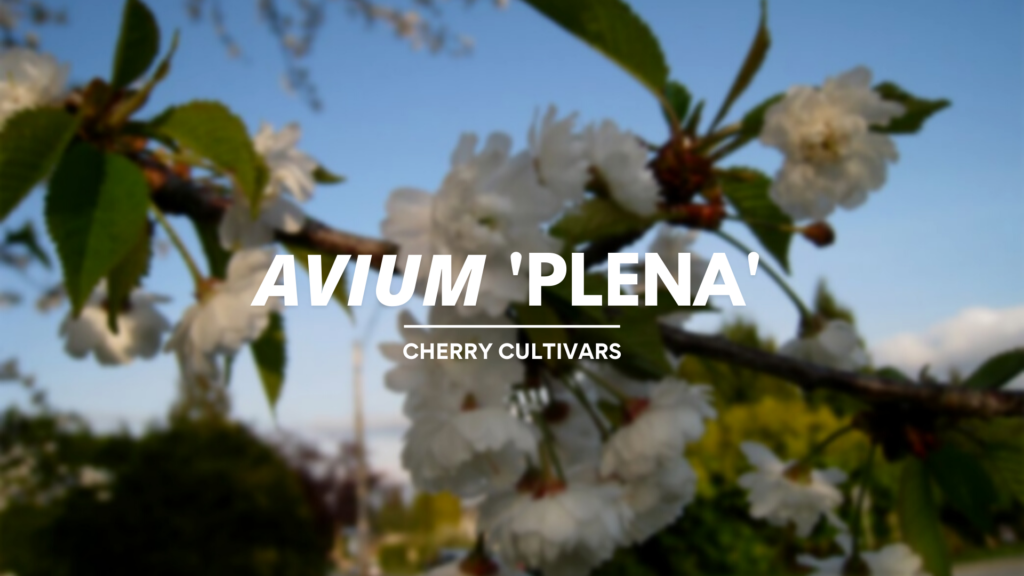
Avium ‘Plena’ (Prunus avium ‘Plena’) (double flowered mazzard cherry): The species that is the cultivated sweet cherry, P. avium, is a robust, adaptable tree that forms a large rounded crown with distinctive branching. In this cultivar, the white flowers are fully double and very showy. Flowering time is late April.

  Kanzan Kanzan

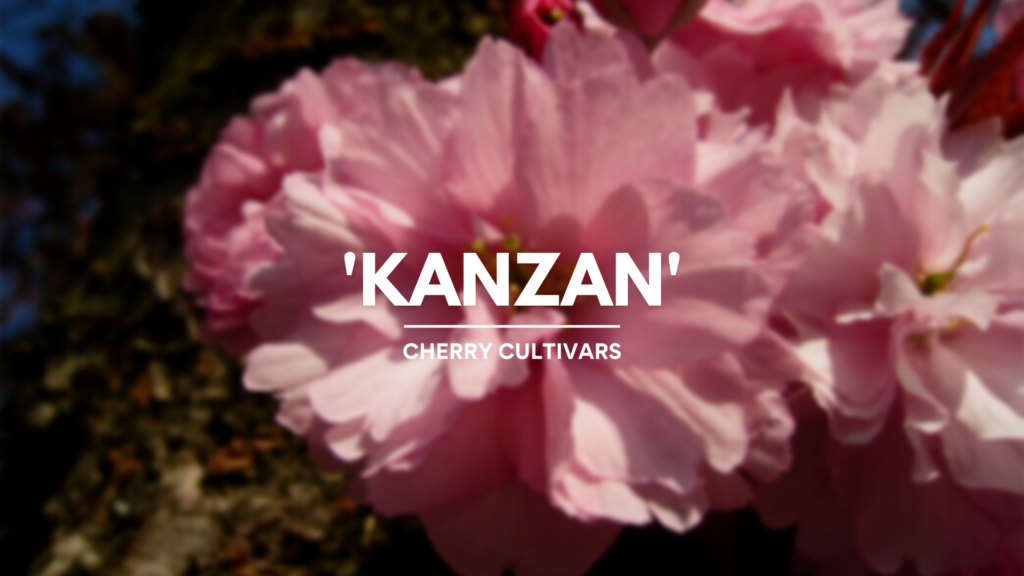
 ‘Kanzan’ (“bordering mountain” = ‘Kwanzan’ = ‘Sekiyama’): The most commonly planted of all flowering cherries: fast growing with a large upright, spreading crown and with huge, double pink flowers produced in late April or May. Leaves emerge bronze green at the same time as the flower buds open. A Sato Zakura in cultivation in Japan since the 17th century. Usual height and spread is 9m x 9m (30ft).

  Mikuruma Gaeshi Mikuruma Gaeshi

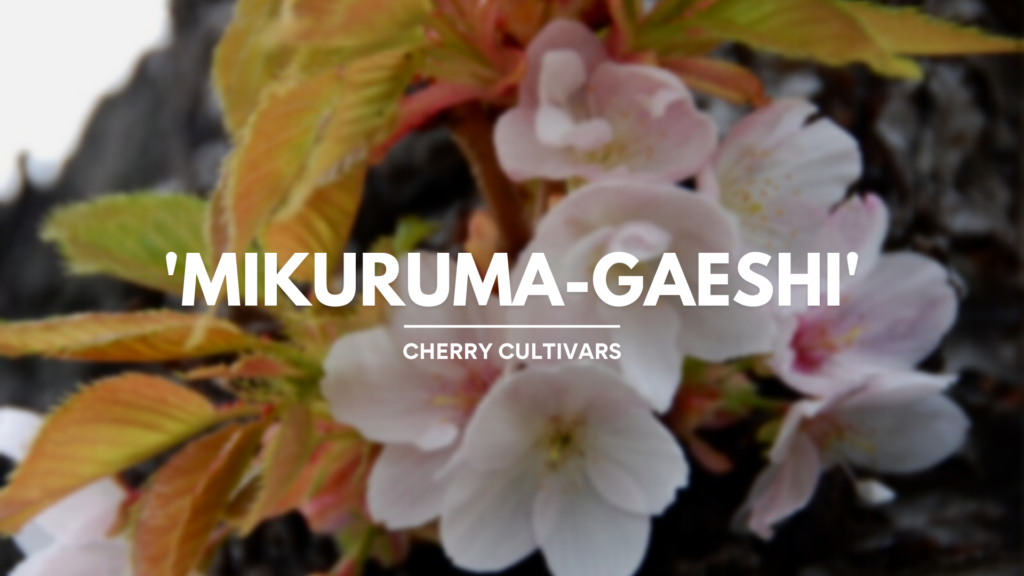
 ‘Mikuruma Gaeshi’ (“the royal carriage returns”): Once planted sparingly on Vancouver’s streets, this distinctive Sato Zakura cultivar, which is known for its sparse, open branching and very large, pink flowers, sometimes single and sometimes double, is now only rarely seen and often disfigured with disease. Known since the early fifteenth century in Japan.

  Okame Okame

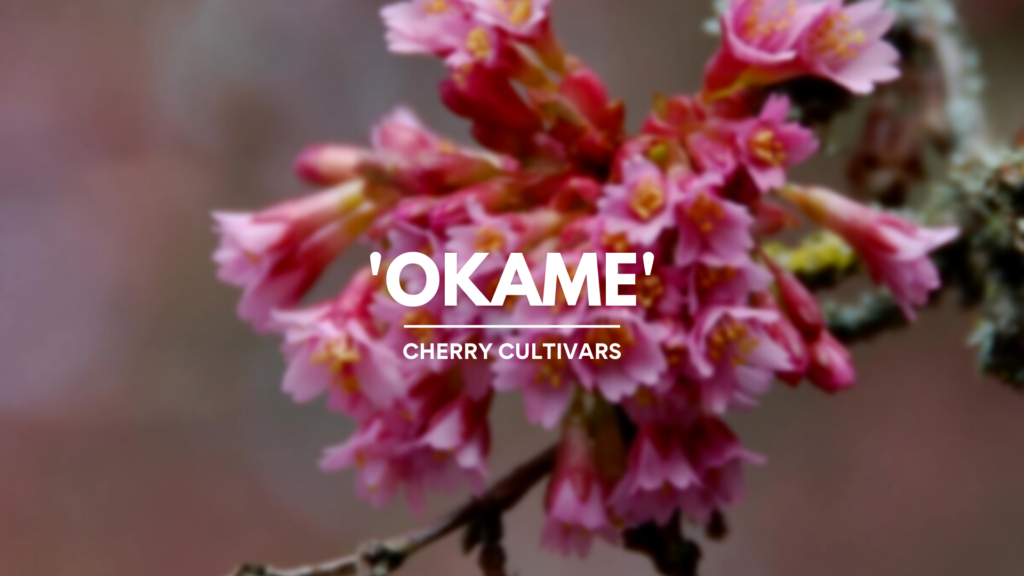
 ‘Okame’: A hybrid cherry (Prunus incisa x P. campanulata) produced in the UK around 1950 with a tight rounded crown. Large clusters of small pink flowers are produced in March all along the slender branches. Normally a large shrub or small tree, this cultivar often shows varying degrees of graft incompatibility when grown on mazzard (P. avium) rootstock (as is typical of Vancouver street plantings).

  Pendula Pendula

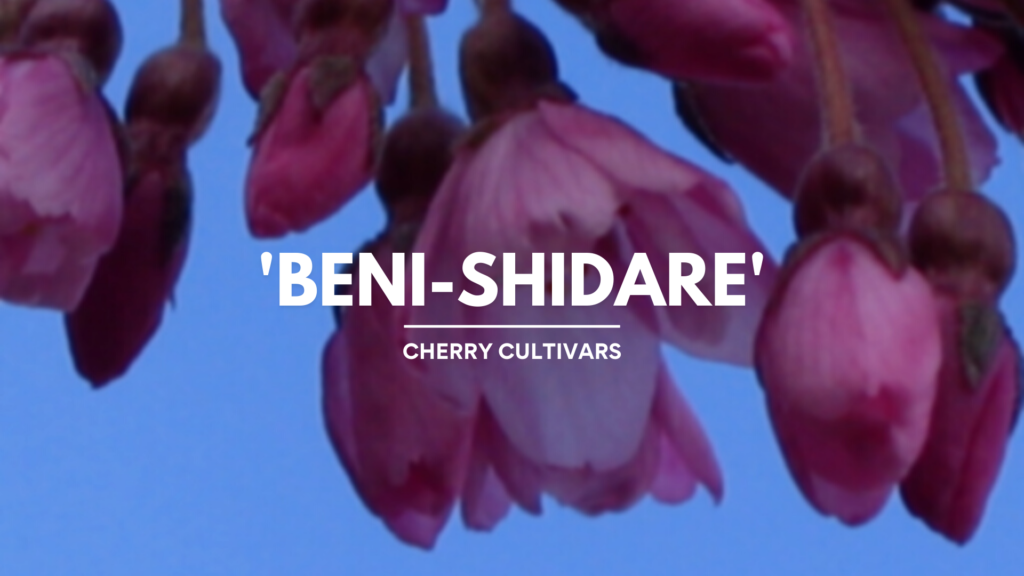
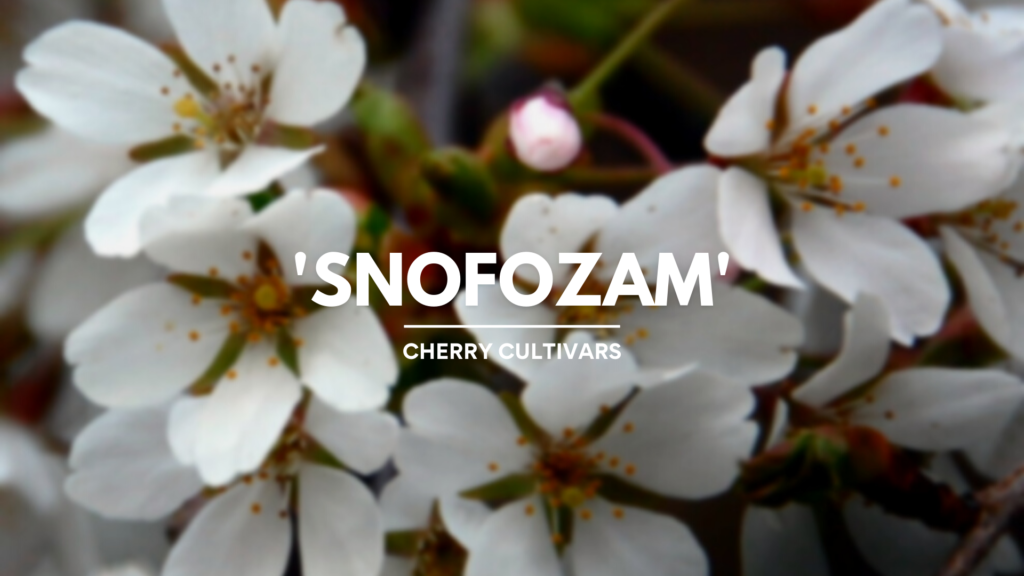
 ‘Pendula’: (Prunus pendula 'Pendula') A cultivar common in residential plantings, with a strongly weeping habit and long slender branches that may reach the ground. It can grow to 8m (25 ft) in height and width, but it grows slowly, so would take 60-70 years to reach that size. It flowers in March with delicate pointed buds opening to 5-petalled pale pink blossoms to 2cm across. Similar cultivars include 'Beni-shidare', also known as 'Pendula Rosea', with deeper pink flowers, and 'Snofozam' (Snow FountainsTM) which is probably a hybrid, with white flowers.

  Pink Perfection Pink Perfection

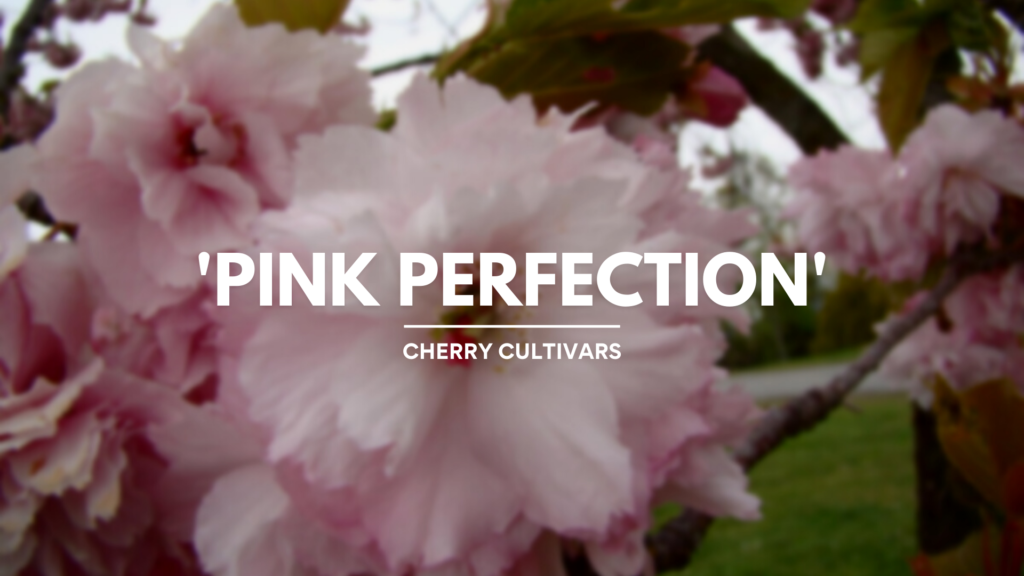
 ‘Pink Perfection’: Not a common cherry in Vancouver, this cultivar has a small, spreading, umbrella-shaped crown.  Large, double pink flowers, lighter in colour than the similar ‘Kanzan’, emerge with green leaves. ‘Pink Perfection’ is a British hybrid (Prunus ‘Kanzan’ x P. ‘Shogetsu’) that arose about 1935, somewhat intermediate in appearance and behaviour between its parents.


Rancho Rancho

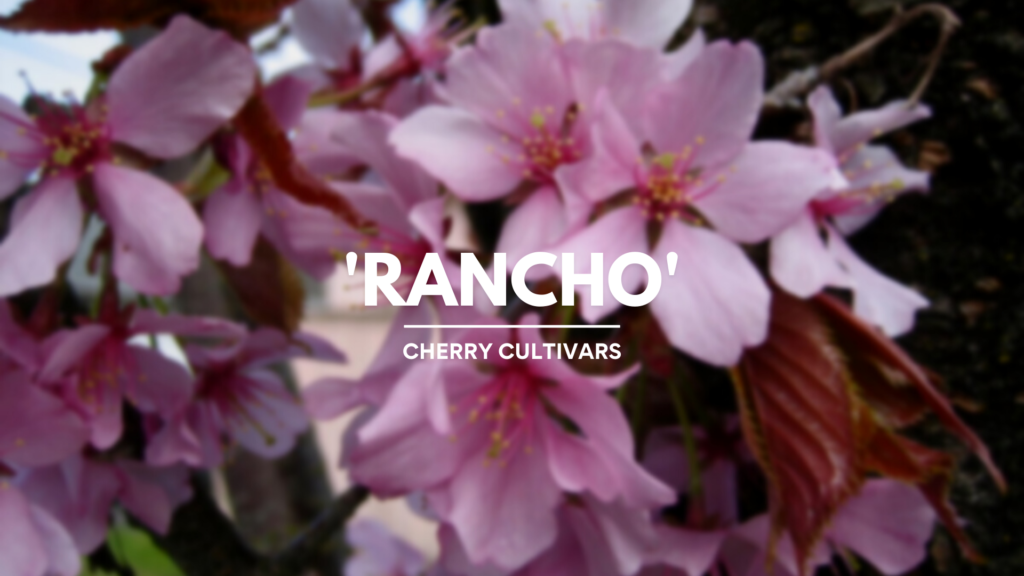
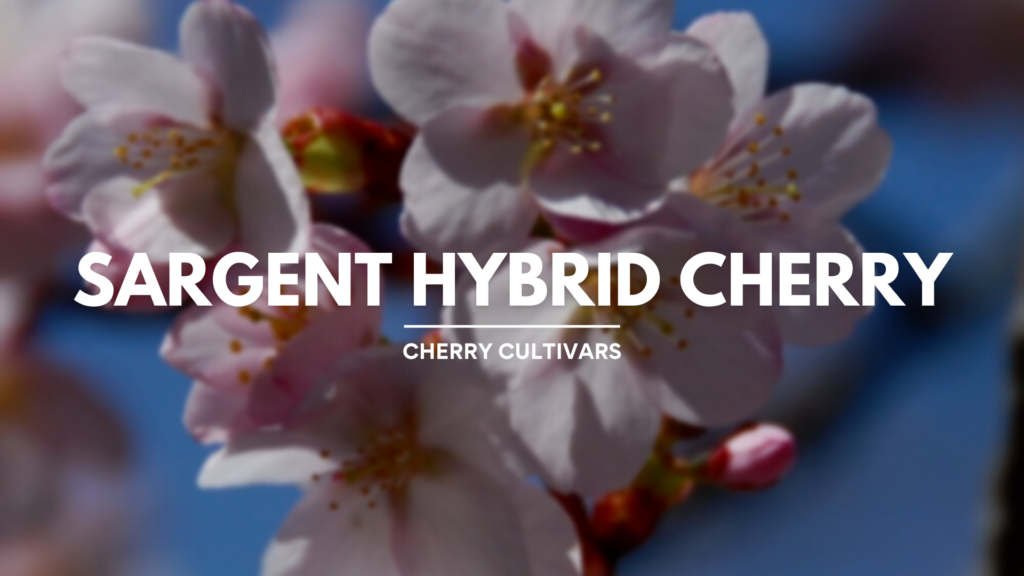
 Prunus sargentii (Sargent cherry): Upright in youth, this tough, resilient cherry eventually forms a large, broad spreading crown. The single flowers are an intense pink. Two narrowly upright forms have been selected, ‘Rancho’ being the most commonly planted. These bloom in late March or early April.

  Shirofugen Shirofugen

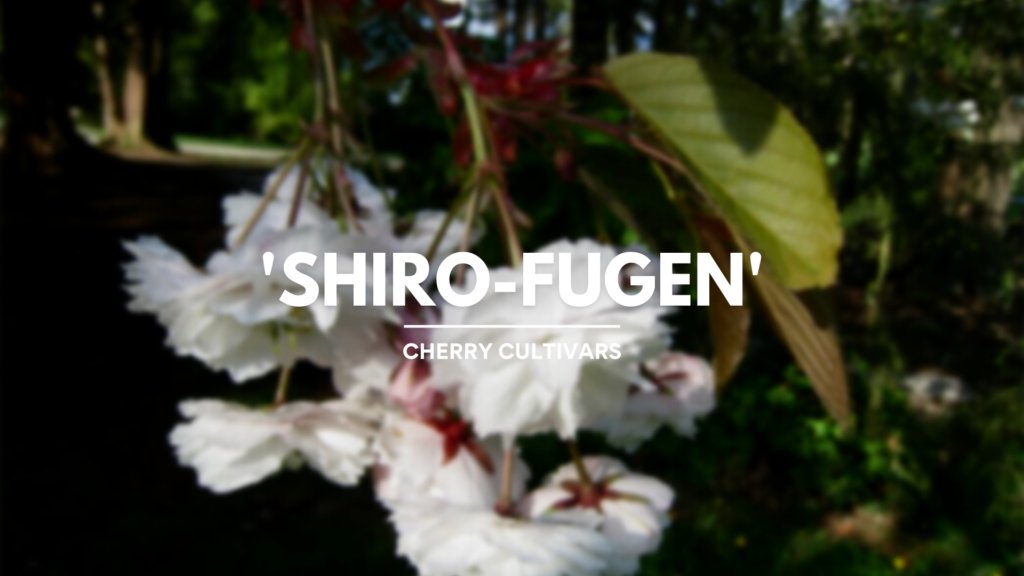
 ‘Shirofugen’: (“white Buddha”) A popular May-flowering Sato Zakura cultivar known from the 15th century in Japan, ‘Shirofugen’ is also called ‘Fugenzo’. It is recognized for its strong, broad, tabular crown and long lasting, fully double flowers that emerge white from pink buds then gradually age to deep pink before they fall.

  Shirotae Shirotae

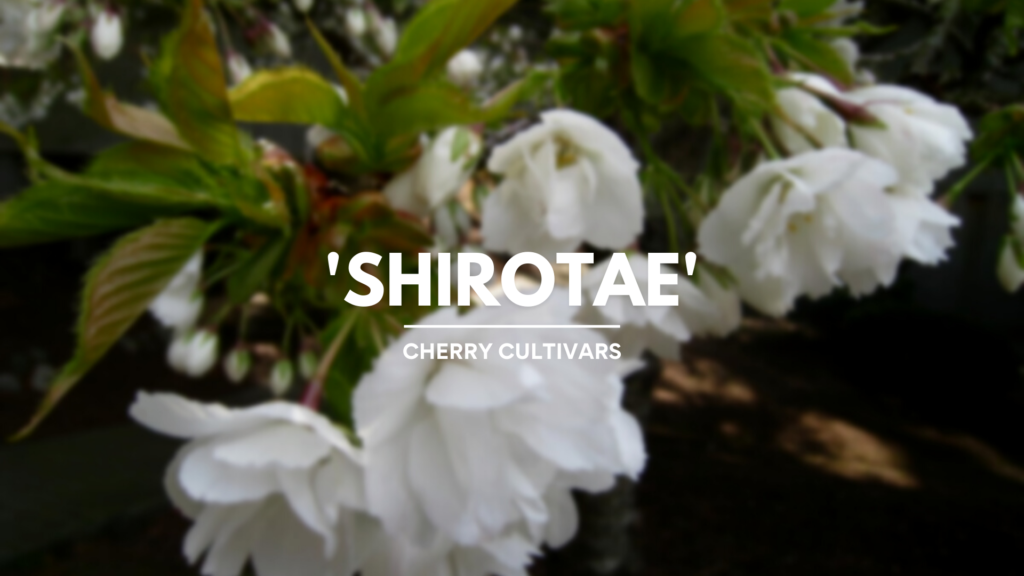
 ‘Shirotae’: This low, very broad-spreading Sato Zakura cultivar usually blooms in mid April when the fresh green leaves are nearly fully developed. Borne on long stalks, the large, pure white flowers are fragrant and fully double. Unfortunately, its wide spreading branches are prone to injury in tight spaces and this renders ‘Shirotae’ somewhat disease prone.

  Shogetsu Shogetsu

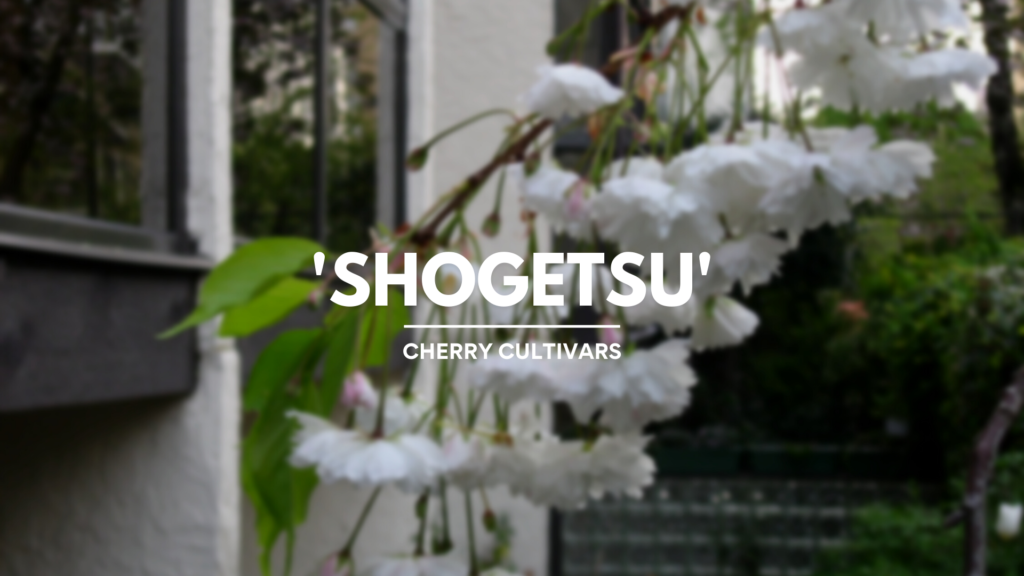
 ‘Shogetsu’ (“moonlight on pine trees”): This small cherry has spreading, rounded crown and elegant, long-stalked flowers composed of the lightest pink, frilled petals that burst open in May after the leaves have emerged. This lovely cultivar is unfortunately susceptible to disease and is now rarely planted.


Somei-yoshino Somei-yoshino

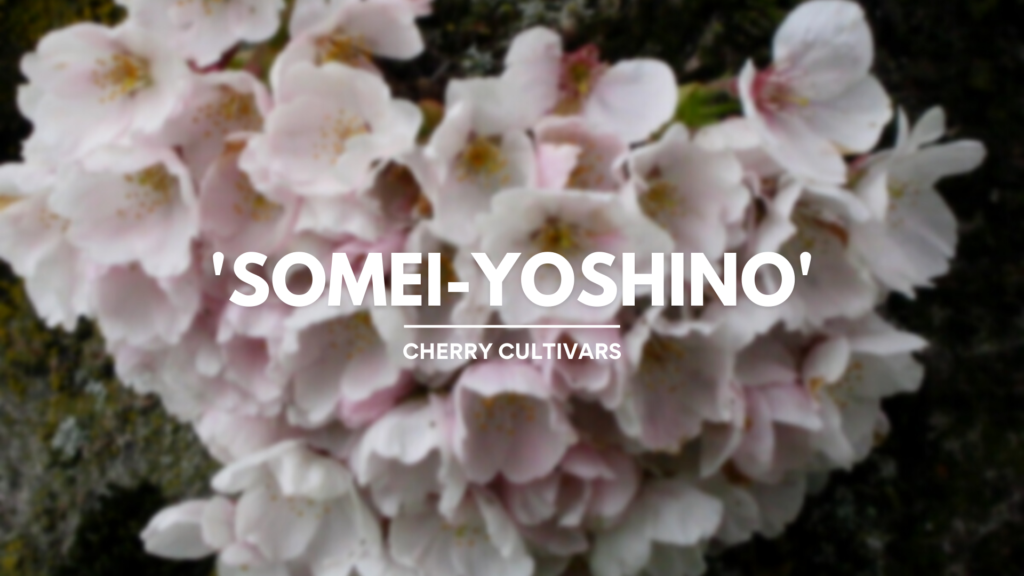
'Somei-yoshino' (Prunus x yedoensis) (Yoshino cherry): An uncommon, tree in Vancouver, except in a few parks and and selected streets, such as the Cambie Heritage Boulevard, and at UBC, where it is relatively common. The seed parent of ‘Akebono’ to which it closely resembles, but its late March or early April flowers are slightly smaller and paler upon emergence. Older specimens of Yoshino cherry are distinctively umbrella shaped, with few sturdy branches.

  Spire Spire

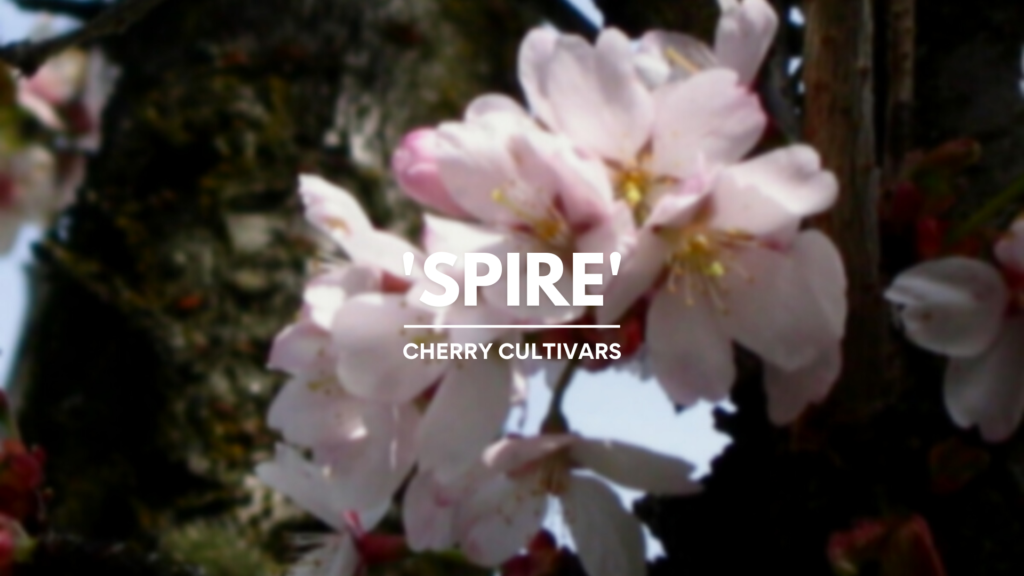
 ‘Spire’ (= ‘Hillier Spire’): This April-flowering hybrid cherry, reputed to be of Prunus sargentii x P. incisa, is an upright grower, narrow at first, then becoming vase-shaped. The single flowers are faintly pink and produced against coppery red emerging foliage, which often turns red in autumn.


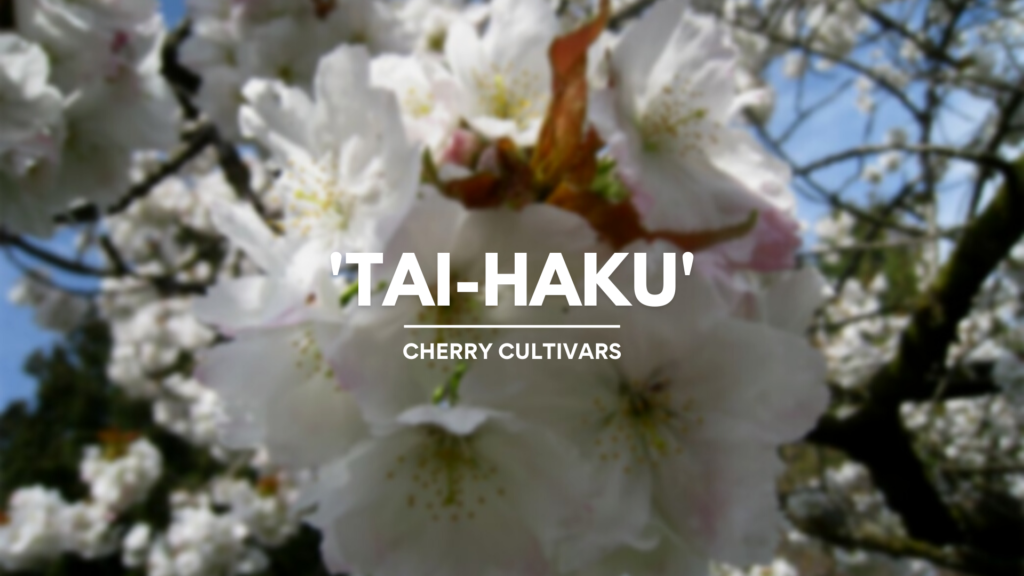
Tai Haku Tai Haku

 ‘Tai Haku’ (“great white cherry”): A strong-growing cherry with an upright spreading habit. Flowers are white, single and held on long stalks, usually emerging in mid-April when the coppery new foliage is unfolding. Under optimal conditions this cherry forms a large, open branched tree of great beauty.


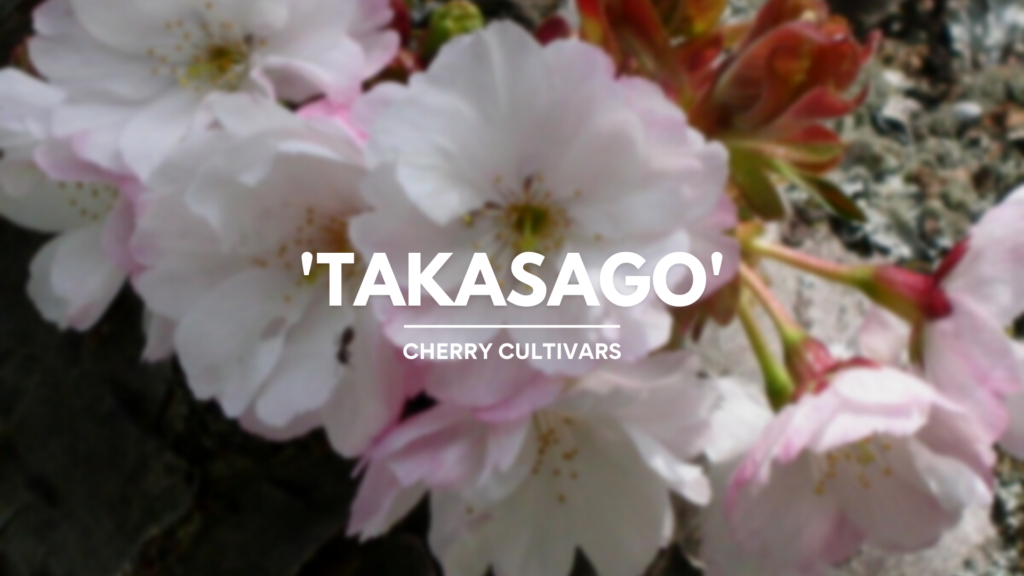
Takasago Takasago

 ‘Takasago’ (Naden cherry): An unusual and exceptionally beautiful cultivar from the mid 18th century Japan. The spreading crown of this Sato Zakura cultivar (usually known locally as Prunus x sieboldii) is composed of few long branches with numerous, short side branches from which the beautiful, semi-double apple-blossom flowers emerge in early to mid-April. This cherry’s tight, clustered flowers unfortunately also increase its susceptibility to disease, and most specimens in Vancouver are badly disfigured because of this.


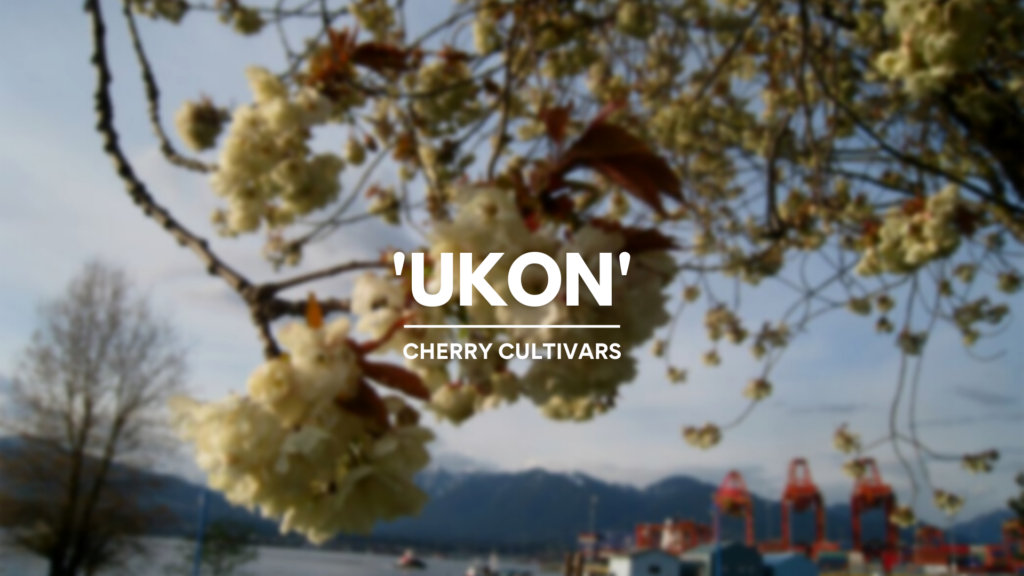
Ukon Ukon

 ‘Ukon’: More upright than spreading, this Sato Zakura cultivar has flowers of an unusual yellowish green. It has a robust constitution, large, double flowers in late April and coppery leaves that change to deep green before turning orange and red in autumn. The narrow crown shape, interesting flowers, disease resistance and overall adaptability are some of the reasons why this cultivar is so common on Vancouver’s streets. It has been popular since before 1800 in Japan.


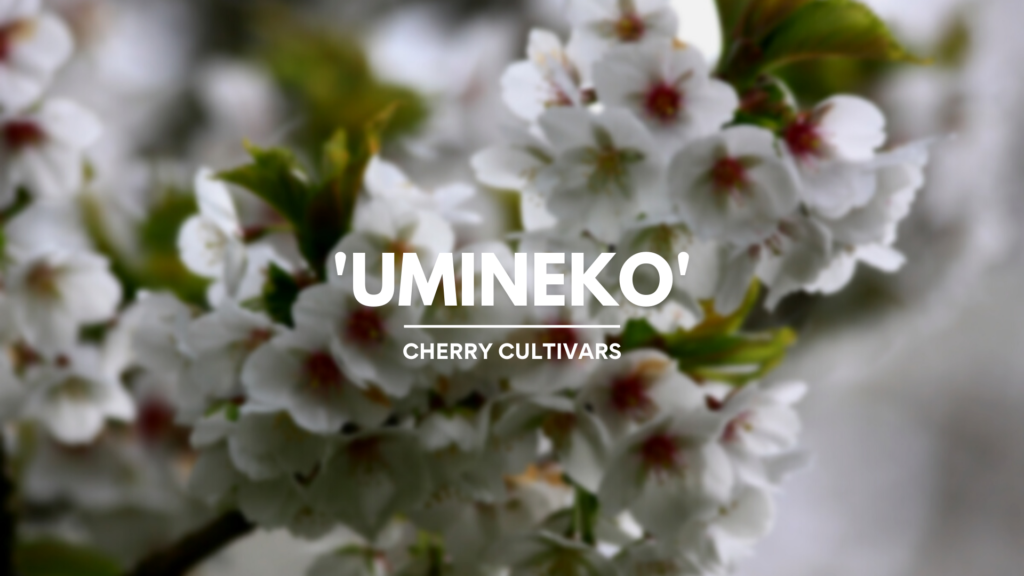
Umineko Umineko

 ‘Umineko’ (seagull): This little known cultivar, a hybrid of (Prunus incisa x P. jamasakura) is an occasional feature of Vancouver street plantings. It has a small, very narrow vase-shaped crown and masses of elegant, single white flowers. Like ‘Okame’, it is usually grafted high on mazzard rootstock and flowers in April.

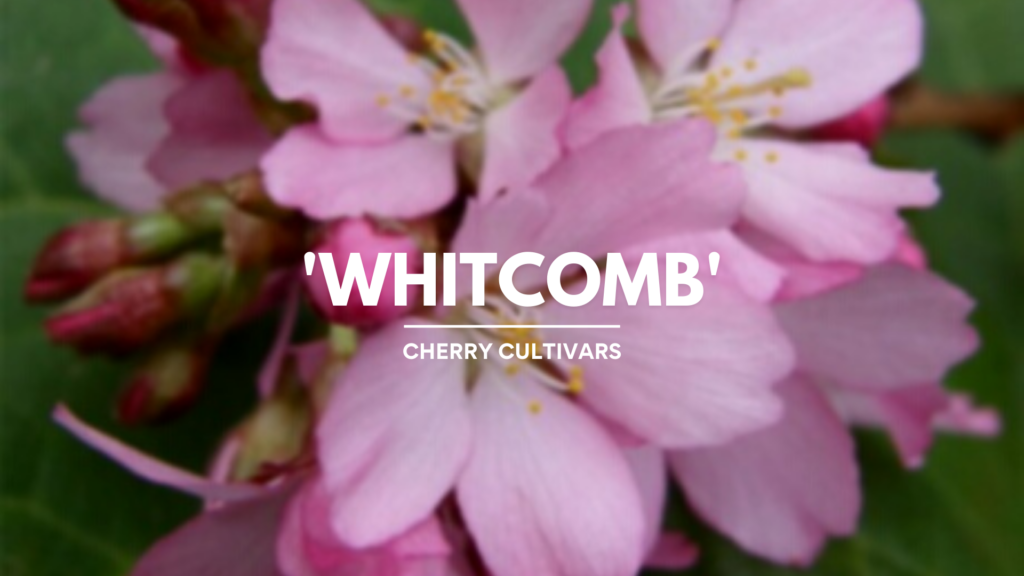
Whitcomb Whitcomb


 'Whitcomb’ (Prunus x subhirtella ‘Whitcomb’): This cultivar of the Japanese spring cherry flowers reliably in February or March with vivid purple-pink flowers. More robust than ‘Autumnalis’, Whitcomb cherry forms a similar crown with numerous twiggy branches and is similarly disease prone. Named for Seattle gardener David Whitcomb (1879-1966) and common throughout the Pacific Northwest.

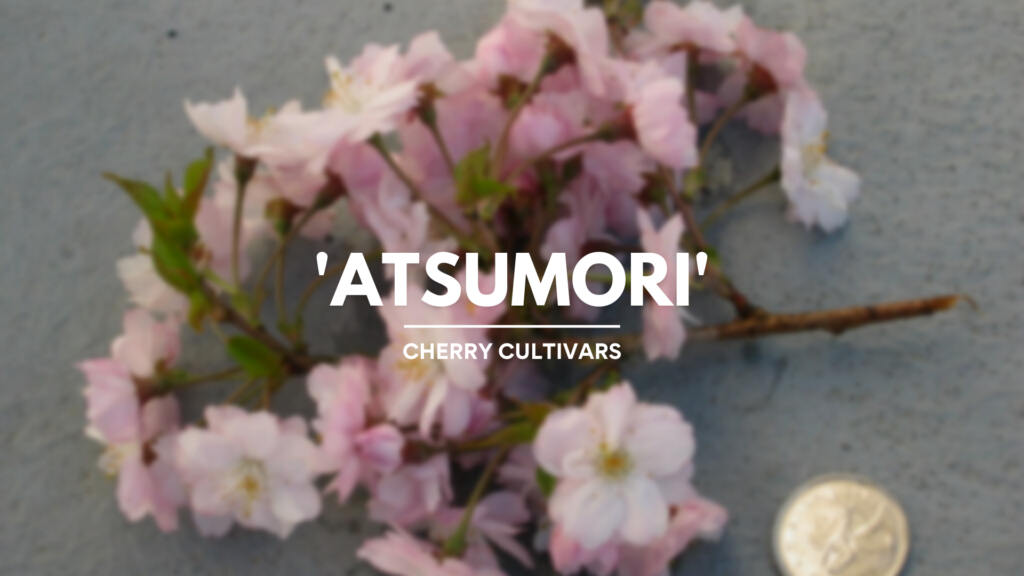
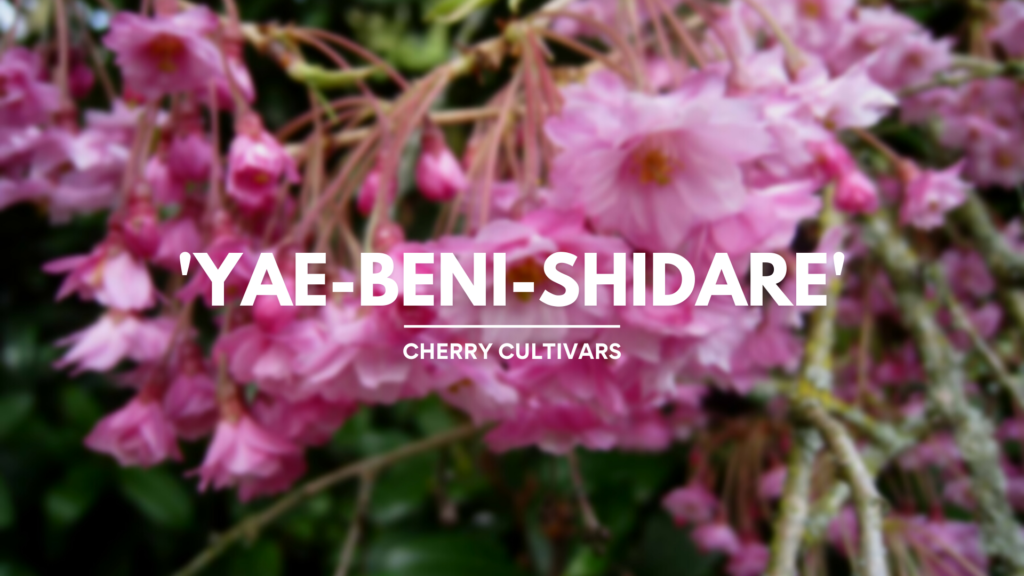
20080413_wallace41st_yaebenishidare_cutler_3442r2 Yae-beni-shidare


'Yae-beni-shidarePrunus pendula 'Yae-beni-shidare’
'Yae-beni-shidare’ is a double-flowered form of the Japanese Ito-zakura (thread cherry), with flowers in March or April that resemble, as they open, tiny, pendulous pink roses. The habit of this tree is more umbrella-like than many other weeping cultivars and is easily recognized by the long lasting, soft pink, inflated blooms and small stature. Also known as Prunus x subhirtella ‘Pleno-rosea’. Autumn colour is yellow, orange and red.

Bibliography:

Hillier, H.G., P.H.B. Gardener and Roy Lancaster. 1991. Hillier Manual of Trees and Shrubs, 6th ed. Newton Abbot, England.

Jacobson, A.L. 1996. North American Landscape Trees. Ten Speed Press, Seattle, Washington.

Kuitert, W. 1999. Japanese Flowering Cherries, Timber Press, Portland, Oregon. Lord, A. (ed.) 2003. RHS Plant Finder. 2003-2004. Dorling Kindersley, London


whosonline

We have 49 guests online
Copyright @ 2005-2010 Vancouver Cherry Blossom Festival. All rights reserved.
Designed By VCBF Web Team. Powered by Jonathan Wang